
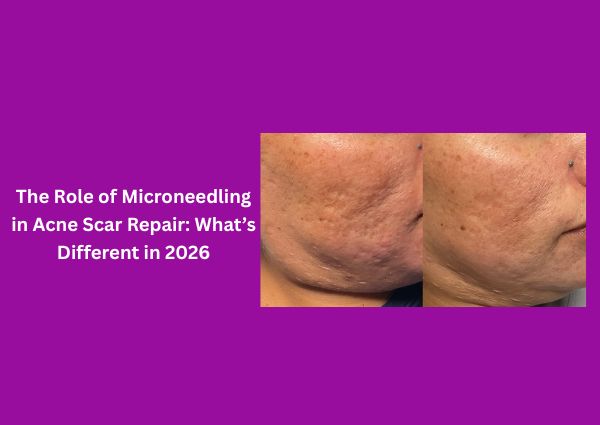
The Role of Microneedling in Acne Scar Repair: What’s Different in 2026
Acne scars can be frustrating for many people because they often remain long after active acne has disappeared. These scars can affect skin texture, create uneven surfaces, and impact overall confidence. Over the years, dermatology has introduced several treatments to improve acne scars, but one method that has consistently gained popularity is microneedling. Known for its ability to stimulate natural skin repair, microneedling has become one of the most effective non-surgical solutions for improving acne scars.
In 2026, microneedling technology has evolved significantly, making the treatment safer, more precise, and more effective than ever before. Modern techniques now combine advanced tools, improved skin analysis, and additional skin-rejuvenating therapies to deliver better results for people struggling with acne scars.
How Microneedling Helps Repair Acne Scars
Microneedling works by creating tiny controlled micro-injuries on the surface of the skin using very fine needles. While this may sound unusual, these micro-injuries trigger the body’s natural healing process. As the skin begins to repair itself, it produces more collagen and elastin, which are essential proteins responsible for skin strength, elasticity, and smoothness.
Collagen production is especially important when treating acne scars. Many acne scars form because the skin’s natural collagen structure becomes damaged during the healing process of severe acne. By stimulating new collagen formation, microneedling helps fill in depressed scars, smooth uneven skin texture, and gradually improve the appearance of the skin.
Another advantage of microneedling is that it works with the body’s natural healing ability rather than relying on aggressive treatments. Because the process stimulates natural skin regeneration, the results tend to look more natural and improve gradually over time.
Microneedling is also suitable for different skin types and tones. Unlike some laser treatments that may carry risks of pigmentation changes for darker skin tones, microneedling is generally considered safe for a wide range of patients when performed by trained professionals.
In addition to reducing acne scars, microneedling can improve overall skin quality. Many patients notice improvements in fine lines, enlarged pores, and uneven skin tone after a series of treatments. This makes it a versatile treatment that benefits both skin texture and appearance.
What’s New in Microneedling Treatments in 2026
Microneedling treatments in 2026 have advanced significantly due to improvements in technology and skincare science. One of the biggest developments is the use of advanced microneedling devices that allow practitioners to control needle depth more precisely. This precision ensures that the treatment targets the exact layer of skin where scar repair is needed, leading to more effective and consistent results.
Another major innovation is the combination of microneedling with other regenerative treatments. Many clinics now combine microneedling with platelet-rich plasma (PRP), growth factors, or specialized serums that enhance the skin’s healing process. These additional treatments help accelerate collagen production and improve the overall effectiveness of the procedure.
Artificial intelligence and advanced skin analysis tools are also becoming more common in dermatology clinics. These technologies allow practitioners to analyze skin conditions more accurately and design personalized treatment plans for each patient. By understanding the depth and type of acne scars, professionals can adjust microneedling treatments to achieve better results.
Recovery time has also improved with modern techniques. New devices are designed to reduce skin trauma while still stimulating collagen production effectively. As a result, patients often experience less redness and faster healing compared to older microneedling methods.
Another positive development in 2026 is increased awareness about skin health and preventive skincare. Many individuals now seek treatment earlier, which means acne scars can be addressed before they become deeper and more difficult to treat. Early intervention combined with advanced microneedling techniques leads to better long-term outcomes.
In conclusion, microneedling continues to play a significant role in acne scar repair, and advancements in 2026 have made the treatment more precise, effective, and personalized. By stimulating natural collagen production and supporting skin regeneration, microneedling helps improve skin texture and restore confidence for individuals dealing with acne scars. For those looking for advanced acne scar treatments and professional skincare solutions, Carvers provide the best treatment and expert care using modern microneedling technologies for healthier and smoother skin.