Chemical Peel Treatment: Everything First-Time Patients Should Know
Chemical peel treatment is one of the most popular non-surgical cosmetic procedures for improving skin texture, tone, and overall appearance. It involves applying a specially formulated chemical solution to the skin, which exfoliates the outer layers and promotes the growth of healthier, smoother skin underneath. Whether you’re dealing with acne scars, pigmentation, fine lines, or dull skin, a chemical peel can be an effective solution.
For first-time patients, it’s natural to have questions about how the procedure works, what to expect during recovery, and whether it is suitable for their skin type. Understanding the basics can help you make an informed decision and achieve the best possible results.
Understanding How Chemical Peel Treatment Works
A chemical peel works by applying a carefully selected solution to the skin that causes controlled exfoliation. As the damaged outer layer peels away, new skin cells emerge, resulting in a fresher, brighter, and more youthful appearance.
Chemical peels are generally categorized into three types:
Superficial Peels: These target the outermost layer of skin and are ideal for mild pigmentation, uneven skin tone, and minor acne issues. Recovery time is usually minimal.
Medium Peels: These penetrate deeper into the skin and are commonly used for acne scars, sun damage, fine lines, and moderate pigmentation concerns.
Deep Peels: These provide more dramatic results by reaching deeper skin layers. They are often recommended for severe sun damage, deep wrinkles, and significant skin imperfections. Recovery time is longer and requires careful post-treatment care.
The type of peel recommended depends on your skin condition, treatment goals, and overall skin health. A professional skin assessment helps determine the most suitable option for achieving safe and effective results.
What to Expect Before, During, and After the Procedure
Before undergoing a chemical peel, a skincare specialist will evaluate your skin type, medical history, and cosmetic concerns. Certain skincare products, medications, or treatments may need to be avoided for a period before the procedure to reduce the risk of irritation.
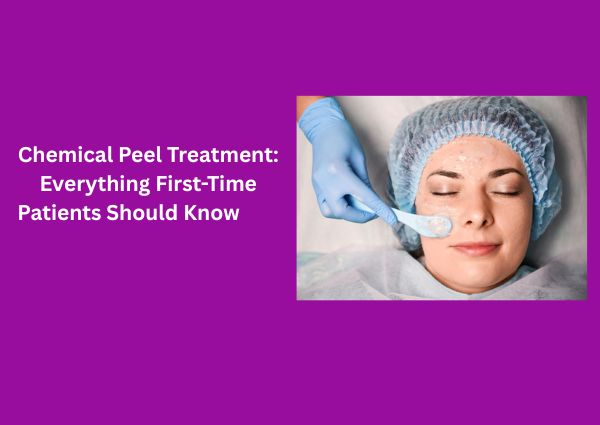
During the treatment, the chemical solution is applied to the skin for a specific amount of time. Patients may experience a mild tingling, warming, or stinging sensation depending on the strength of the peel. The procedure itself is generally quick and can often be completed within 30 to 60 minutes.
After the peel, the skin may appear red, sensitive, or slightly swollen. Peeling usually begins within a few days as the old skin sheds naturally. It is important not to pick or force the peeling process, as this can cause irritation and affect results.
Sun protection becomes especially important after treatment because the new skin is more sensitive to UV exposure. Using a broad-spectrum sunscreen, avoiding excessive sun exposure, and following all aftercare instructions can help ensure optimal healing and results.
Recovery time varies based on the type of peel performed. Superficial peels may require only a few days of downtime, while deeper peels can take several weeks for complete recovery.
Benefits and Considerations for First-Time Patients
Chemical peels offer numerous benefits for individuals seeking skin rejuvenation. They can improve skin texture, reduce acne scars, minimize fine lines, lighten pigmentation, and enhance overall skin radiance. Many patients notice smoother, clearer, and more even-toned skin after treatment.
However, first-time patients should have realistic expectations. While some improvements may be visible after a single session, certain skin concerns may require multiple treatments to achieve the desired outcome. Results also depend on factors such as skin type, lifestyle habits, and adherence to post-treatment care.
It is also essential to choose a qualified and experienced skincare professional. Proper assessment, customized treatment selection, and expert application significantly reduce risks and improve outcomes. Attempting chemical peels without professional supervision can lead to complications such as burns, excessive irritation, or uneven pigmentation.
Conclusion
Chemical peel treatment is an effective and versatile solution for addressing a variety of skin concerns, including acne scars, pigmentation, fine lines, and uneven skin texture. By understanding the procedure, preparing properly, and following post-treatment care instructions, first-time patients can enjoy safe and satisfying results. If you are considering a chemical peel and want expert guidance tailored to your skin’s needs, Carvers provides the best treatment and professional skincare solutions to help you achieve healthier, smoother, and more radiant skin with confidence.