
PRP Hair Treatment Explained: How Platelet Therapy Supports Hair Growth
Hair loss is a common concern that affects both men and women, often impacting confidence and self-esteem. Factors such as genetics, hormonal changes, stress, nutritional deficiencies, and certain medical conditions can contribute to thinning hair and hair loss. While various treatments are available, Platelet-Rich Plasma (PRP) therapy has gained significant popularity as a non-surgical and natural solution for promoting hair growth. PRP hair treatment uses the body’s own healing properties to stimulate hair follicles and encourage healthier, thicker hair growth.
Understanding how PRP therapy works and what results patients can expect can help individuals make informed decisions about their hair restoration journey.
What Is PRP Hair Treatment and How Does It Work?
PRP, or Platelet-Rich Plasma, is a treatment that utilizes a concentrated portion of the patient’s own blood to stimulate tissue repair and regeneration. Platelets contain growth factors and proteins that play a crucial role in healing and cell regeneration throughout the body.
The PRP hair treatment process typically begins with a small blood sample being drawn from the patient. The blood is then placed into a centrifuge, which separates the platelet-rich plasma from other blood components. This concentrated plasma is carefully prepared and injected into targeted areas of the scalp where hair thinning or hair loss is occurring.
The growth factors present in PRP help stimulate dormant hair follicles, improve blood circulation to the scalp, and promote healthier hair growth. By enhancing the natural regenerative processes of the body, PRP therapy supports the development of stronger and thicker hair strands.
Because PRP uses the patient’s own blood, the treatment is considered safe and carries a low risk of allergic reactions or complications. It is a minimally invasive procedure that can often be completed within a relatively short appointment.
Benefits of PRP Therapy for Hair Growth
One of the primary reasons PRP therapy has become popular is its ability to address hair thinning without surgery. The treatment offers several benefits for individuals experiencing early to moderate stages of hair loss.
PRP therapy can help increase hair density by stimulating weakened follicles and encouraging new hair growth. Many patients notice improvements in hair thickness, texture, and overall scalp health after a series of treatment sessions.
Another advantage is that PRP can slow the progression of hair loss by strengthening existing hair follicles. This can be particularly beneficial for individuals experiencing androgenetic alopecia, commonly known as male or female pattern baldness.
Since the procedure is minimally invasive, recovery time is generally minimal. Most patients can return to their normal activities shortly after treatment. Unlike surgical hair restoration procedures, PRP does not involve incisions, stitches, or lengthy downtime.
The treatment can also be combined with other hair restoration methods, including medications and specialized hair care programs, to enhance overall results. A customized treatment plan can help maximize the effectiveness of PRP therapy based on an individual’s specific needs and hair loss pattern.
What to Expect During and After PRP Hair Treatment
Before beginning PRP therapy, a consultation is usually conducted to assess the patient’s hair loss condition, medical history, and suitability for treatment. This evaluation helps determine whether PRP is the appropriate solution and how many sessions may be required.
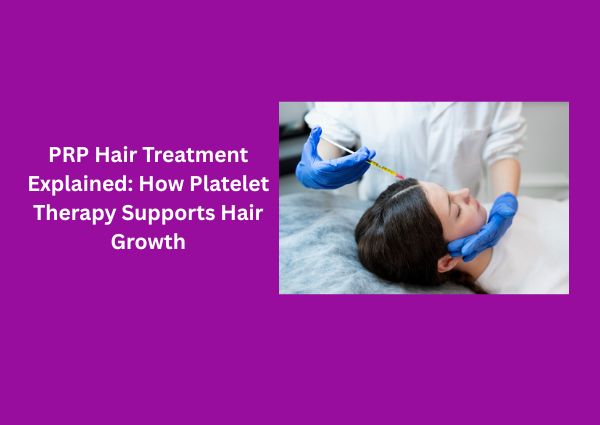
The treatment itself is relatively straightforward. After drawing and processing the blood sample, the PRP solution is injected into targeted areas of the scalp using fine needles. Patients may experience mild discomfort during the procedure, but it is generally well tolerated.
Following treatment, minor redness, tenderness, or swelling at the injection sites may occur temporarily. These effects usually subside within a short period. Most individuals can resume their regular activities on the same day.
Hair growth results are gradual because the treatment works by stimulating the natural growth cycle of hair follicles. Patients often begin noticing improvements within a few months, with continued enhancement over time. Multiple sessions are typically recommended to achieve optimal results, followed by maintenance treatments as advised by the specialist.
Maintaining a healthy diet, managing stress, and following professional hair care recommendations can further support the effectiveness of PRP therapy and promote long-term hair health.
Conclusion
PRP hair treatment is an innovative and natural approach to addressing hair thinning and hair loss. By utilizing the body’s own platelet-rich plasma, the treatment stimulates hair follicles, improves scalp health, and encourages stronger, thicker hair growth. With its minimally invasive nature, low risk of complications, and promising results, PRP therapy has become a preferred option for many individuals seeking hair restoration.
If you are experiencing hair loss and looking for an effective, non-surgical solution,Carvers provides the best treatment and advanced PRP hair restoration services. Their experienced specialists create personalized treatment plans designed to support healthy hair growth, improve scalp health, and help patients regain confidence with fuller, healthier hair.