Chemical Peels for Uneven Skin Tone: Treatment Options for Different Skin Concerns
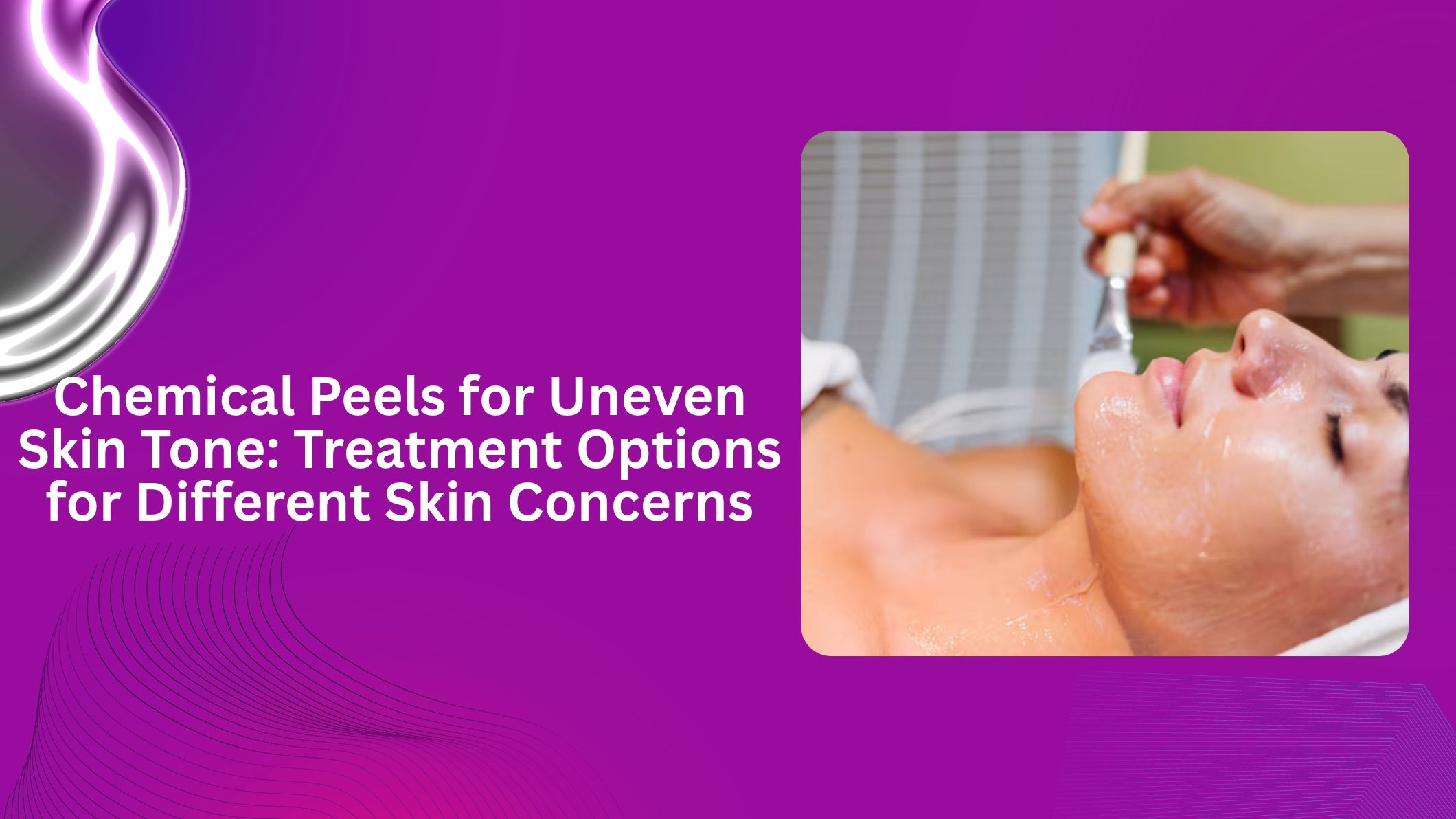
Uneven skin tone is a common skincare concern that can develop due to sun exposure, acne marks, hormonal changes, ageing, and the accumulation of dead skin cells. It may appear as dark spots, pigmentation, dullness, or patches of discolouration on the face. Chemical peels are popular dermatological treatments that help improve skin texture and promote a more even-looking complexion. They work by applying a carefully selected chemical solution to exfoliate the outer layers of the skin and encourage cellular renewal.
The right chemical peel depends on an individual’s skin type, pigmentation concerns, sensitivity, and treatment goals. A professional skin assessment is essential to determine the most suitable treatment and reduce the risk of irritation or further pigmentation.
Understanding Chemical Peels and Their Benefits for Uneven Skin Tone
Chemical peels use exfoliating ingredients, such as alpha hydroxy acids (AHAs), beta hydroxy acids (BHAs), or other dermatologically selected agents, to remove dead skin cells and improve the appearance of the skin. Depending on their formulation and strength, peels may work on the skin’s surface or penetrate deeper layers.
There are different types of chemical peels available for addressing uneven skin tone. Superficial peels are generally used for mild discolouration, dullness, and rough texture. Medium-depth peels may be considered for selected pigmentation concerns and more noticeable skin damage under professional supervision. Deeper peels involve greater risks and require careful specialist assessment.
Chemical peels may provide several benefits when selected and performed appropriately:
- Improved skin brightness: Exfoliation can help reduce dullness and reveal fresher-looking skin.
- Reduction in mild pigmentation: Certain peels may help improve the appearance of superficial dark spots and post-acne marks.
- Smoother skin texture: Removing accumulated dead skin cells can make the skin feel softer and more refined.
- Support for acne-prone skin: Some ingredients, such as salicylic acid, can help unclog pores and manage acne in suitable patients.
- More even complexion: A personalised treatment plan may gradually improve the appearance of uneven skin tone.
Results vary depending on the cause of pigmentation, the peel used, and individual skin characteristics. Chemical peels are not suitable for every skin condition, and multiple sessions may be needed to achieve the desired improvement.
Choosing the Right Chemical Peel for Different Skin Concerns
Selecting the appropriate chemical peel requires understanding the specific skin concern. For mild dullness and superficial discolouration, glycolic acid peels may help improve surface texture and brightness. Salicylic acid peels are often considered for oily and acne-prone skin because they help exfoliate inside the pores. Lactic acid peels may be suitable for some people seeking gentle exfoliation, although suitability depends on skin sensitivity and the product formulation.
For persistent pigmentation, including melasma or post-inflammatory hyperpigmentation, a dermatologist should first identify the underlying cause. Chemical peels may form part of a broader treatment plan that includes suitable topical products and consistent sun protection. In darker Indian skin tones, extra care is necessary because aggressive treatments can trigger inflammation and worsen pigmentation.
Before undergoing a chemical peel, patients should discuss their medical history, current skincare products, previous treatments, and any history of sensitive skin or cold sores with the treating professional. Avoid self-administering strong chemical peels or combining multiple exfoliating products without medical advice.
After treatment, following the recommended aftercare routine is essential. This generally includes using a gentle cleanser, applying an appropriate moisturiser, avoiding unnecessary irritation, and wearing broad-spectrum sunscreen with SPF 30 or higher. Patients should also avoid picking or peeling flaking skin. The treating professional may recommend temporarily stopping retinoids, exfoliating acids, or other irritating products.
Some temporary redness, dryness, peeling, or sensitivity may occur after a chemical peel. Severe pain, blistering, swelling, or signs of infection require prompt medical assessment. A qualified dermatologist can advise whether a chemical peel is appropriate or whether another pigmentation treatment would be safer and more effective.
In conclusion, chemical peels can be a useful option for improving uneven skin tone, mild pigmentation, acne marks, and dullness when selected according to individual skin needs. Professional assessment, appropriate treatment strength, and consistent sun protection are important for achieving safer results. Carvers provides the best treatment plans regarding this, helping individuals explore suitable skincare treatments based on their skin concerns and aesthetic goals.