
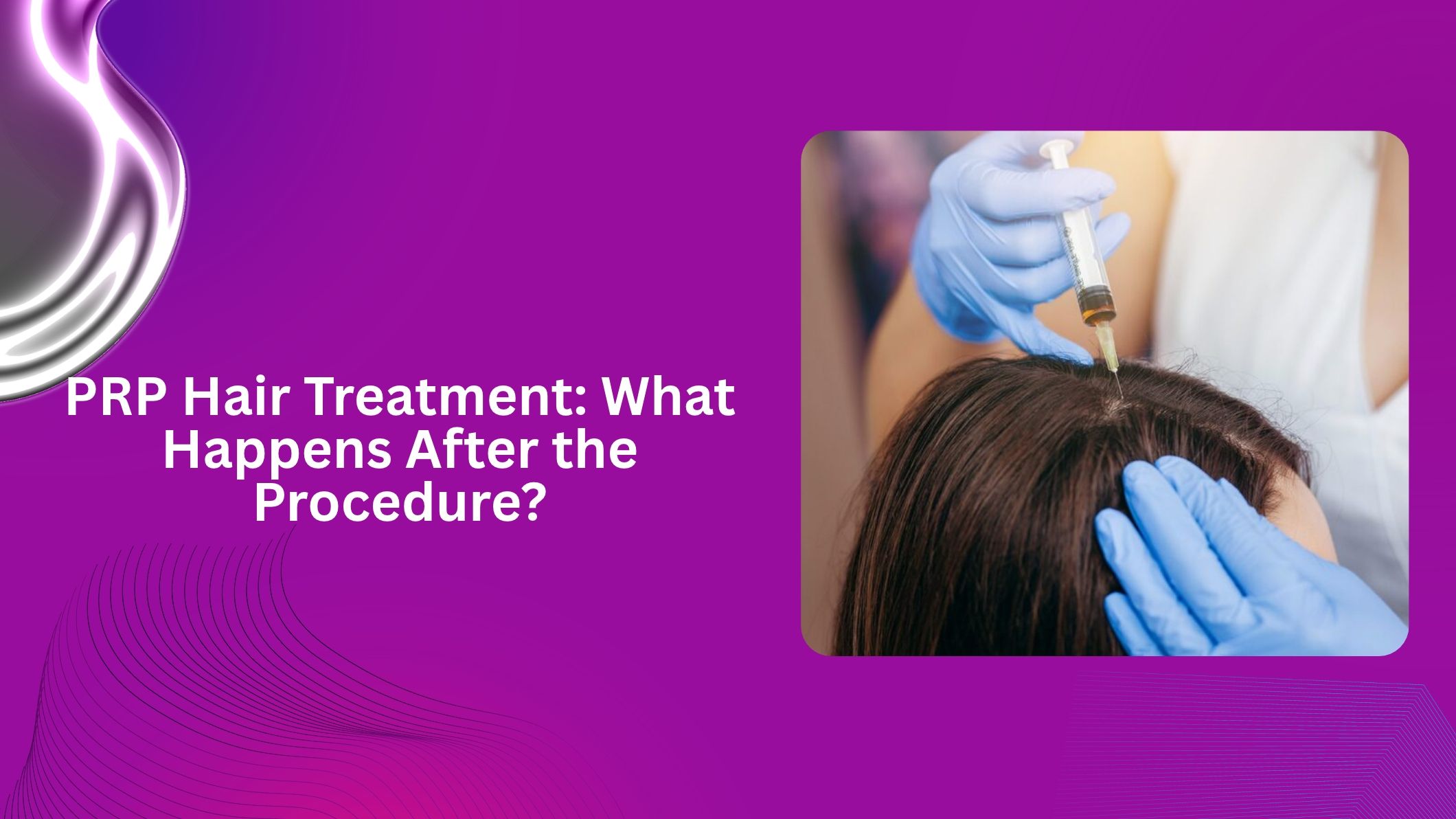
PRP Hair Treatment: What Happens After the Procedure
Hair thinning, excessive hair fall, and reduced hair density are common concerns affecting both men and women. Factors such as genetics, hormonal changes, stress, nutritional deficiencies, and lifestyle habits can contribute to hair loss. While several treatments are available, Platelet-Rich Plasma (PRP) therapy has gained popularity as a non-surgical option for supporting hair growth and improving scalp health.
PRP hair treatment uses a patient’s own blood to prepare a concentrated solution containing platelets and growth factors. This solution is injected into targeted areas of the scalp to support the natural hair growth process. However, one of the most common questions people have before choosing this procedure is what happens after the treatment. Understanding the recovery process, expected changes, and aftercare requirements can help individuals prepare for their PRP hair restoration journey.
1. What Happens Immediately After PRP Hair Treatment
PRP hair treatment is generally performed as an outpatient procedure and does not usually require an extended recovery period. After the session, patients can typically return to their regular activities, depending on their comfort level and the practitioner’s instructions.
Since the procedure involves small injections into the scalp, some temporary reactions are normal. These may include:
- Mild redness around the injection sites.
- Slight swelling or tenderness in the treated areas.
- Temporary scalp sensitivity.
- Minor bruising at certain injection points.
- A feeling of tightness or pressure on the scalp.
These effects are generally temporary and improve within a few days. Patients should avoid touching, scratching, or applying unnecessary pressure to the treated areas immediately after the procedure.
It is also important to follow the practitioner’s instructions regarding hair washing, styling products, and scalp care.
2. What to Expect During the First Few Days After Treatment?
The first few days after PRP therapy are important for allowing the scalp to settle following the injections. Most patients experience minimal downtime, but proper aftercare can help reduce irritation and support recovery.
During this period, individuals are generally advised to:
- Avoid washing their hair for the period recommended by the practitioner, often around 12–24 hours.
- Avoid vigorous scalp massage or scratching.
- Stay away from excessive heat exposure, including saunas and steam rooms.
- Avoid strenuous physical activity for approximately 24–48 hours if advised.
- Avoid applying harsh chemical products or styling treatments immediately after the session.
- Keep the scalp clean and follow the recommended care routine.
Some individuals may experience mild itching or tenderness as the scalp recovers. However, severe pain, increasing redness, discharge, or unusual swelling should be reported to a healthcare professional.
3. When Will You Start Seeing Results After PRP Hair Treatment?
One important thing to understand about PRP hair treatment is that results do not appear overnight. Hair growth is a gradual biological process, and the response to PRP varies from person to person.
Here is a general timeline of what individuals may experience:
First 1–2 Weeks: The scalp gradually recovers from the injection process. Visible hair growth changes are usually not noticeable during this stage.
Weeks 3–6: Some individuals may begin noticing changes in hair shedding, although results vary. It is generally too early to evaluate the full effectiveness of treatment.
Months 2–3: Early improvements in hair quality or thickness may become noticeable in some patients. The response depends on the underlying cause of hair loss.
Months 3–6: More noticeable improvements in hair density and thickness may develop in individuals who respond well to treatment.
PRP results depend on factors such as age, genetics, severity of hair loss, scalp health, and the presence of active hair follicles. It may be less effective in areas where hair follicles are no longer present.
4. Benefits of PRP Hair Treatment and Its Long-Term Effects
PRP therapy is considered a promising option for individuals experiencing certain types of hair thinning, particularly androgenetic alopecia. It uses the patient’s own blood-derived platelets, which contain growth factors involved in tissue repair and cellular activity.
Some potential benefits include:
- Supports Hair Growth: Growth factors in PRP may help support hair follicle activity.
- Improves Hair Thickness: Some individuals may experience thicker-looking hair over time.
- May Reduce Hair Shedding: PRP can help reduce excessive hair fall in certain patients.
- Non-Surgical Approach: The procedure does not involve surgical incisions or hair transplantation.
- Uses Your Own Blood: The treatment uses autologous platelet-rich plasma, reducing the risk of allergic reactions to donor material.
- Minimal Downtime: Most patients can resume everyday activities relatively quickly.
However, PRP is not a guaranteed solution for every type of hair loss. Its effectiveness depends on the individual’s condition, and results may require maintenance sessions. A dermatologist or qualified medical professional can determine whether the treatment is appropriate.
5. How Many PRP Sessions Are Required for Better Results?
The number of PRP sessions varies according to hair loss severity, treatment goals, and individual response. Many treatment plans begin with approximately three sessions, spaced around four to six weeks apart.
After the initial treatment phase, maintenance sessions may be recommended every few months, depending on the patient’s progress and the practitioner’s assessment.
Consistency is important because PRP works gradually. Skipping recommended sessions may affect the overall treatment plan. In some cases, PRP may also be combined with other hair loss treatments, such as medically prescribed topical or oral medications, depending on the underlying condition.
Before starting therapy, patients should undergo a proper scalp and hair assessment. This helps identify the cause of hair loss and establish realistic expectations.
PRP hair treatment is a non-surgical approach that may help improve hair thickness, support follicle activity, and manage certain types of hair thinning. After the procedure, mild redness, tenderness, and swelling may occur, but these effects generally settle within a few days. Visible improvements usually take several months, making patience and consistency important parts of the treatment journey.
Choosing the right treatment plan begins with understanding the cause of hair loss and evaluating individual scalp conditions. Carvers provides the best treatment plans regarding this, helping individuals explore suitable hair restoration and aesthetic treatment options based on their needs