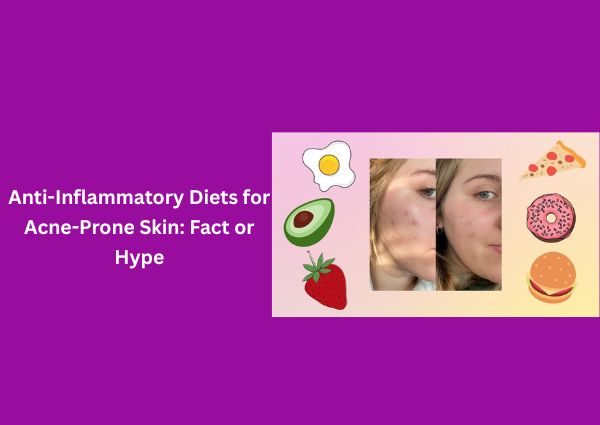
Anti-Inflammatory Diets for Acne-Prone Skin: Fact or Hype?
Acne is one of the most common skin concerns affecting people of all ages, especially teenagers and young adults. While many factors such as hormones, genetics, stress, and skincare habits contribute to acne, diet has become a popular topic of discussion in recent years. Many experts and influencers now promote anti-inflammatory diets as a way to manage acne and improve overall skin health. But the question remains: do anti-inflammatory diets truly help acne-prone skin, or is it simply another skincare trend?
Inflammation plays a significant role in the development of acne. When the body experiences inflammation, it can increase oil production in the skin and trigger breakouts. Because of this connection, researchers have started exploring how certain foods may either reduce or worsen inflammation in the body. An anti-inflammatory diet focuses on consuming foods that help reduce inflammation while avoiding those that may trigger it. While diet alone cannot completely cure acne, it can certainly influence skin health when combined with proper skincare and medical treatments.
How Anti-Inflammatory Foods Can Support Skin Health
An anti-inflammatory diet typically includes foods that are rich in nutrients, antioxidants, and healthy fats. These nutrients help the body reduce internal inflammation, which may indirectly benefit the skin. Foods such as leafy green vegetables, berries, nuts, seeds, whole grains, and fatty fish like salmon are often recommended as part of this diet.
Omega-3 fatty acids, found in fish, flaxseeds, and walnuts, are known for their anti-inflammatory properties. These healthy fats may help calm skin inflammation and support the body’s natural healing process. Antioxidant-rich foods such as berries, spinach, and green tea also help protect the skin from oxidative stress, which can contribute to acne and premature aging.
Another important aspect of an anti-inflammatory diet is maintaining balanced blood sugar levels. Diets high in refined sugars and processed carbohydrates can cause spikes in blood sugar, which may lead to increased oil production and inflammation in the skin. This can worsen acne in some individuals. By focusing on whole foods and complex carbohydrates such as oats, quinoa, and brown rice, people may help stabilize blood sugar and support healthier skin.
Hydration is also an important part of maintaining healthy skin. Drinking enough water helps the body flush out toxins and maintain proper skin hydration. Combined with a balanced diet, good hydration can improve overall skin appearance and support natural healing processes.
The Limits of Diet in Treating Acne
While an anti-inflammatory diet can support overall health and potentially reduce some acne triggers, it is important to understand that diet alone is not a guaranteed solution for acne. Acne is a complex condition influenced by hormones, genetics, environmental factors, and skincare routines. For many individuals, dietary changes may only play a small role in managing breakouts.
Scientific studies on the relationship between diet and acne are still evolving. Some research suggests that high-glycemic foods and dairy products may worsen acne for certain individuals, but these effects can vary from person to person. What triggers acne in one person may not affect another in the same way.
Another limitation is that dietary changes often take time to show results. Skin cycles take several weeks, and improvements may not be immediately visible. People who expect quick results from diet changes alone may become discouraged.
This is why professional dermatological care is often necessary for individuals dealing with persistent or severe acne. Dermatologists can identify the underlying causes of acne and recommend personalized treatments such as topical medications, chemical peels, laser therapy, or medical skincare products. When combined with a healthy lifestyle and balanced diet, these treatments can deliver much more effective and lasting results.
In conclusion, anti-inflammatory diets are not just hype, but they are also not a complete cure for acne. A balanced diet rich in whole foods, healthy fats, and antioxidants can support overall health and may help reduce inflammation in the body. However, managing acne effectively usually requires a combination of proper skincare, professional treatments, and lifestyle adjustments. For individuals seeking advanced acne care and professional skin treatments, Carvers provide the best treatment and expert solutions for acne-prone skin and overall skin health.