Non-Surgical Body Contouring: How It Works and Who It Helps
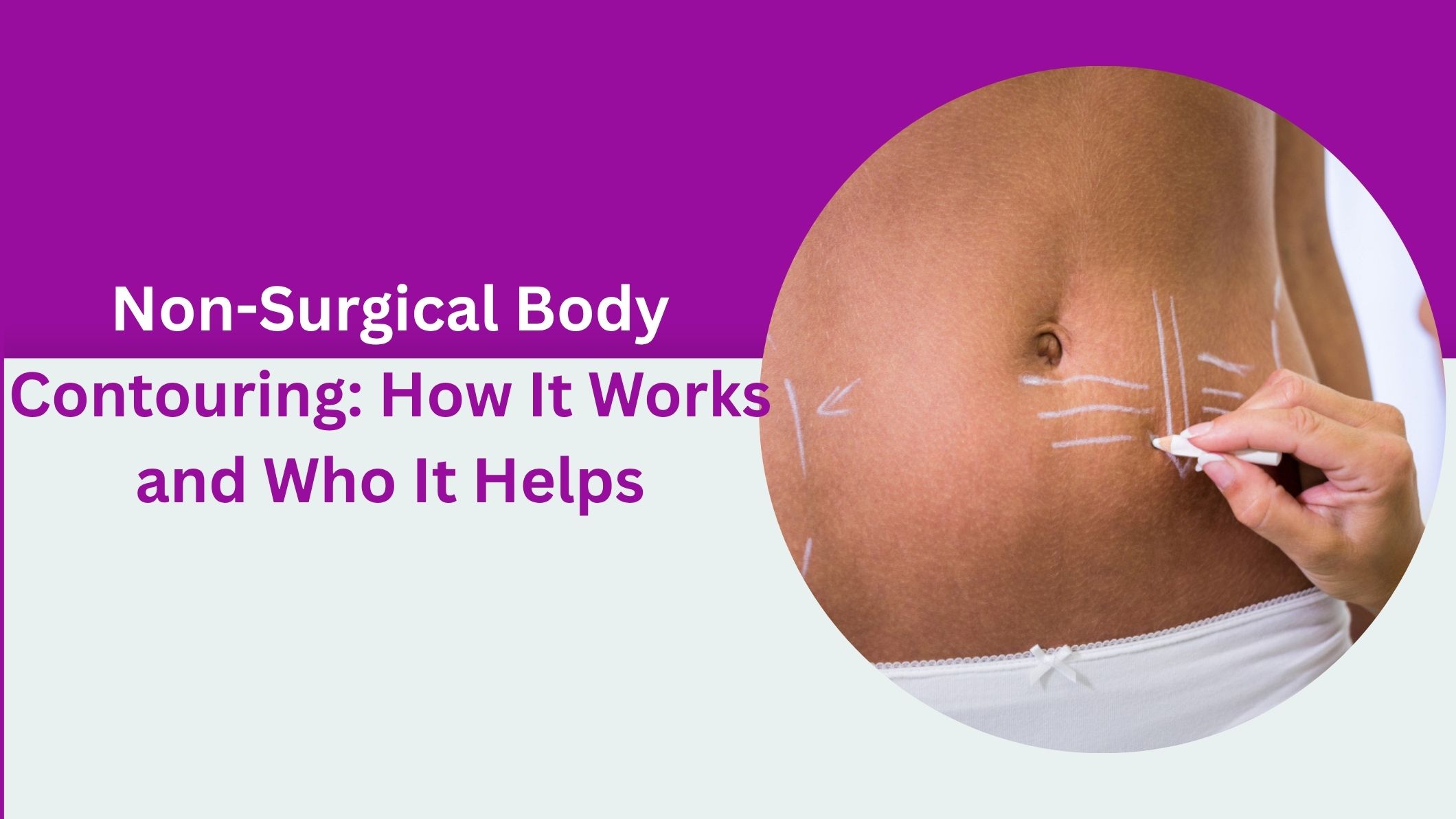
Non-surgical body contouring has become an increasingly popular option for people who want to improve the shape and appearance of specific areas of their body without undergoing traditional surgery. Unlike surgical procedures such as liposuction, non-surgical body contouring generally uses technologies designed to target localized fat or improve skin appearance without large incisions or lengthy recovery periods.
These treatments are primarily intended for body shaping rather than significant weight loss. They may be suitable for people who are already relatively close to their desired weight but have stubborn areas that do not respond easily to diet and exercise. Common treatment areas can include the abdomen, thighs, flanks, arms, back, and other localized areas where unwanted fat may be present.
The technology used depends on the specific treatment. Some procedures use controlled cooling to target fat cells, while others use radiofrequency, ultrasound, or other forms of energy. These technologies are designed to affect targeted tissues while minimizing damage to surrounding areas. Depending on the procedure, the body may gradually process and eliminate affected fat cells over time.
How Non-Surgical Body Contouring Works and Its Benefits
Non-surgical body contouring works by targeting localized areas rather than treating the entire body. During a treatment session, a specialized device is applied to the selected area. The device delivers a controlled form of energy or cooling intended to affect fat cells or stimulate changes in the targeted tissue.
Different technologies work in different ways. Cryolipolysis, for example, uses controlled cooling to target fat cells. Radiofrequency-based treatments may use heat to affect fat tissue and support skin tightening. Ultrasound-based technologies can also be used to target localized fat deposits. Because treatment methods vary, the appropriate technology should be selected according to the individual’s body area, goals, skin condition, and overall suitability.
One of the key advantages of non-surgical contouring is that it generally involves little or no downtime compared with surgical body-contouring procedures. Many people can return to their normal activities relatively quickly, depending on the treatment performed. The procedure may also be useful for individuals who prefer a gradual and less invasive approach to improving body contours.
However, expectations are important. Non-surgical body contouring is not a replacement for healthy eating, regular physical activity, or medical weight-management programs. It is primarily designed to improve the appearance of specific areas rather than produce substantial overall weight reduction. Results can also vary depending on the technology used, treatment area, individual response, and number of sessions recommended.
Who Can Benefit from Non-Surgical Body Contouring?
Non-surgical body contouring may benefit adults who maintain a stable and healthy lifestyle but have localized areas of fat that are resistant to diet and exercise. It can be particularly appealing to individuals who want subtle improvements in body shape without undergoing an invasive surgical procedure.
A consultation with a qualified professional is important before beginning treatment. During an assessment, the provider can review the individual’s goals, medical history, skin condition, treatment area, and expectations. This helps determine whether non-surgical contouring is appropriate and which technology may provide the most suitable approach.
People should also understand that these treatments are not appropriate for everyone. Certain medical conditions, medications, pregnancy, skin problems, or other factors may affect eligibility for particular procedures. A professional evaluation helps identify potential risks and ensures that treatment decisions are made safely.
Results typically develop gradually rather than immediately. Depending on the treatment, multiple sessions may sometimes be recommended to achieve the desired outcome. Maintaining a healthy lifestyle can also help support long-term body-contouring results.
For individuals considering non-surgical body contouring, choosing an experienced provider is essential. Professional guidance can help ensure that the treatment is selected according to realistic goals and individual requirements. Carvers provides the best treatment plans regarding non-surgical body contouring, offering professionally guided options designed around individual needs and aesthetic goals.