Is PRP Hair Treatment Effective for Early Hair Loss
Early hair loss can be concerning, especially when thinning becomes noticeable around the hairline, crown, or other areas of the scalp. While some degree of hair shedding is normal, persistent thinning may be associated with factors such as genetics, hormonal changes, nutritional deficiencies, stress, aging, or certain medical conditions. Identifying the underlying cause is important before selecting a treatment.
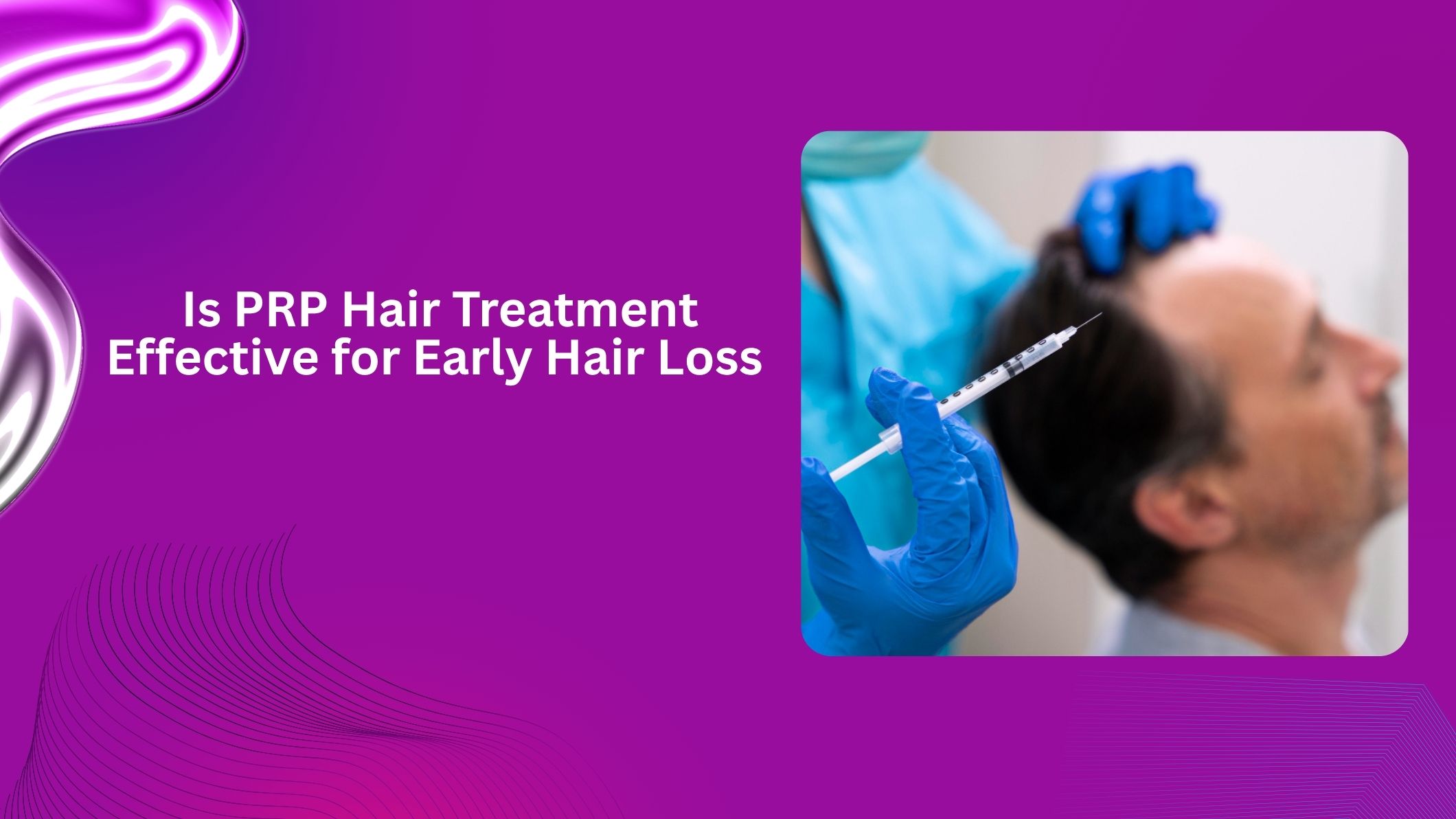
Platelet-rich plasma (PRP) therapy has gained attention as a non-surgical option for people experiencing certain types of early hair loss. The treatment uses a small amount of the patient’s own blood. The blood is processed to concentrate platelets and growth factors, and the resulting platelet-rich plasma is injected into selected areas of the scalp. The goal is to support the natural hair-growth environment and potentially improve the thickness and density of existing hair.
PRP is generally considered more useful when hair follicles are still active but producing thinner or weaker hairs. It is therefore often discussed as an option for people with early or moderate thinning rather than areas where follicles have been inactive for a long period.
How PRP May Help Early Hair Loss
The potential benefit of PRP comes from the growth factors found within platelets. When PRP is introduced into targeted areas of the scalp, these biological components may support tissue repair and influence the local environment around hair follicles. Research suggests that PRP may help improve hair density and thickness in some individuals with certain forms of hair loss, although results can vary.
One reason PRP may be considered during the early stages of hair loss is that preserving and supporting existing follicles can be easier than attempting to restore areas where follicles have been significantly damaged or lost. Early evaluation can therefore be valuable for determining whether the follicles are likely to respond to treatment.
PRP treatment is usually performed as a series of sessions rather than a single procedure. The exact number and frequency of sessions depend on the individual’s condition, treatment goals, and the provider’s assessment. Results generally develop gradually because hair grows through a natural cycle. Patients may need several months before noticeable changes become apparent.
Another advantage is that PRP uses the patient’s own blood, which means it does not involve introducing a synthetic substance into the scalp. However, like any medical or cosmetic procedure, PRP can have potential side effects. Temporary soreness, swelling, redness, or tenderness at injection sites may occur.
Who May Benefit and What Results to Expect
PRP may be considered for individuals experiencing early-stage thinning when viable hair follicles remain. However, it is not a universal solution for every type of hair loss. Different causes require different approaches, and conditions such as nutritional deficiencies, hormonal problems, scalp disorders, or certain medical conditions may need specific treatment.
A professional consultation is therefore an important first step. A qualified provider can assess the pattern and extent of hair loss, review relevant medical history, examine the scalp, and determine whether PRP is an appropriate option. In some cases, additional investigations may be recommended to identify contributing factors.
Expectations should also remain realistic. PRP is intended to support hair growth and may improve the appearance of thinning hair, but results are not guaranteed. Individual response can depend on the cause of hair loss, age, follicle condition, overall health, treatment protocol, and consistency with recommended care.
PRP may also be incorporated into a broader hair-loss management plan rather than being used alone. Depending on the individual’s needs, a professional may recommend combining appropriate hair-care practices or other evidence-based treatments.
The key to managing early hair loss is acting before significant progression occurs. A timely assessment can help identify the cause and provide an opportunity to discuss suitable treatment options. If you are experiencing persistent thinning or increased shedding, professional evaluation can help you understand whether PRP is appropriate for your condition.
Carvers provides the best treatment plans regarding PRP hair treatment, offering personalized guidance and treatment options based on individual hair-loss concerns and goals.