
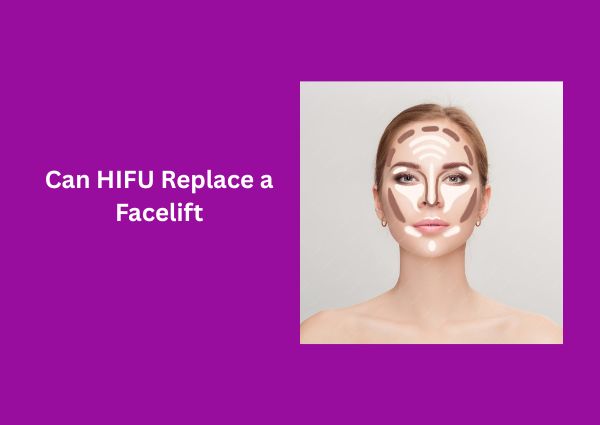
Can HIFU Replace a Facelift
As non-surgical cosmetic treatments continue to advance, many people are searching for effective alternatives to traditional facelifts. One of the most talked-about procedures in aesthetic medicine today is HIFU, or High-Intensity Focused Ultrasound. Known for its skin-tightening and lifting effects, HIFU has gained popularity among individuals looking to achieve a youthful appearance without surgery or long recovery periods.
A common question many people ask is whether HIFU can truly replace a facelift. While HIFU offers impressive benefits, understanding how it works and what results it can realistically deliver is important before deciding if it is the right option.
Understanding How HIFU Works
HIFU is a non-invasive treatment that uses focused ultrasound energy to target deeper layers of the skin. Unlike creams or surface-level procedures, HIFU reaches the foundational layers where collagen production occurs. The ultrasound energy creates controlled heat beneath the skin, stimulating natural collagen regeneration and tissue tightening.
Collagen is an essential protein responsible for skin firmness and elasticity. As people age, collagen levels decrease, leading to sagging skin, wrinkles, and loss of facial definition. HIFU helps reverse some of these signs by encouraging the body to produce fresh collagen over time.
The procedure is commonly used to tighten areas such as the jawline, cheeks, neck, and forehead. It can also help reduce mild sagging and improve skin texture. Since HIFU is non-surgical, there are no incisions, stitches, or significant downtime involved. Most people can return to their normal routine shortly after treatment.
Results from HIFU develop gradually over several weeks or months as collagen production increases. Many patients notice firmer and more lifted skin with continued improvement over time.
HIFU vs Traditional Facelift
Although HIFU provides noticeable lifting and tightening effects, it is important to understand that it does not completely replace a surgical facelift in every case. The two procedures differ significantly in terms of results, invasiveness, and suitability.
A traditional facelift is a surgical procedure designed to remove excess skin, tighten facial tissues, and create dramatic lifting results. It is generally recommended for individuals with advanced signs of aging, deep sagging, or significant skin laxity. Surgical facelifts provide long-lasting and more dramatic outcomes but require anesthesia, recovery time, and higher costs.
HIFU, on the other hand, is best suited for people with mild to moderate skin laxity who want subtle and natural-looking improvements without surgery. It is often chosen by individuals in their 30s, 40s, or early 50s who are beginning to notice aging signs but are not ready for invasive procedures.
One major advantage of HIFU is convenience. Since there is little to no downtime, patients can avoid the lengthy recovery associated with surgery. HIFU also carries fewer risks compared to surgical facelifts.
However, expectations must remain realistic. HIFU cannot remove large amounts of loose skin or produce the same dramatic transformation as surgery. Instead, it works as a preventive and maintenance treatment that enhances skin firmness and delays more invasive procedures.
Who Is the Ideal Candidate for HIFU
HIFU is ideal for individuals looking for gradual skin tightening and facial rejuvenation without undergoing surgery. People experiencing early signs of aging, such as mild sagging around the jawline, cheeks, or neck, often achieve the best results.
The HIFU treatment is also suitable for those who want natural-looking improvements without visible surgical changes. Since HIFU stimulates the body’s own collagen production, the results appear progressively and subtly over time.
Patients who maintain healthy skin habits and realistic expectations are usually more satisfied with the outcome. Some individuals may require multiple sessions depending on their skin condition and aesthetic goals.
It is important to consult experienced professionals before choosing any cosmetic procedure. A qualified specialist can assess skin laxity, facial structure, and overall goals to determine whether HIFU or another treatment option is more appropriate.
While HIFU may not completely replace a facelift for everyone, it has become an effective non-surgical solution for facial lifting and skin tightening. For many individuals, it offers a convenient way to maintain youthful skin and delay the need for surgery.
For those seeking advanced skin tightening and facial rejuvenation procedures, Carvers provides best treatment regarding this, offering personalized aesthetic solutions designed to improve skin firmness, lift, and overall appearance.