CoolSculpting vs Cavitation: Non-Surgical Fat Reduction Explained
Stubborn body fat can be frustrating, especially when it refuses to disappear despite regular exercise and a healthy diet. Fortunately, advancements in aesthetic medicine have introduced several non-surgical fat reduction treatments that help contour the body without incisions or lengthy recovery periods. Among the most popular options are CoolSculpting and Ultrasonic Cavitation. Both procedures aim to reduce localized fat deposits, but they use different technologies and are suited for different individuals.
If you’re considering a body contouring treatment, understanding how these procedures work, their benefits, and their limitations can help you make an informed decision.
Understanding CoolSculpting and Ultrasonic Cavitation
What is CoolSculpting
CoolSculpting, also known as cryolipolysis, is an FDA-approved non-surgical fat reduction treatment that uses controlled cooling to freeze and destroy fat cells beneath the skin. Fat cells are more sensitive to cold temperatures than surrounding tissues. During the procedure, the targeted fat cells are frozen, causing them to gradually break down and be naturally eliminated by the body’s lymphatic system over the following weeks and months.
CoolSculpting is commonly used to treat areas such as the abdomen, flanks (love handles), thighs, upper arms, back, and under the chin. Since the treatment targets only fat cells, the surrounding skin, muscles, and nerves remain largely unaffected.
Most sessions last between 35 and 60 minutes, depending on the treatment area. Patients can usually return to normal daily activities immediately after the procedure. Mild redness, numbness, swelling, or bruising may occur temporarily but generally resolves within a few days.
Visible improvements usually begin after three to four weeks, with optimal results appearing within two to three months as the body naturally eliminates the destroyed fat cells.
What is Ultrasonic Cavitation
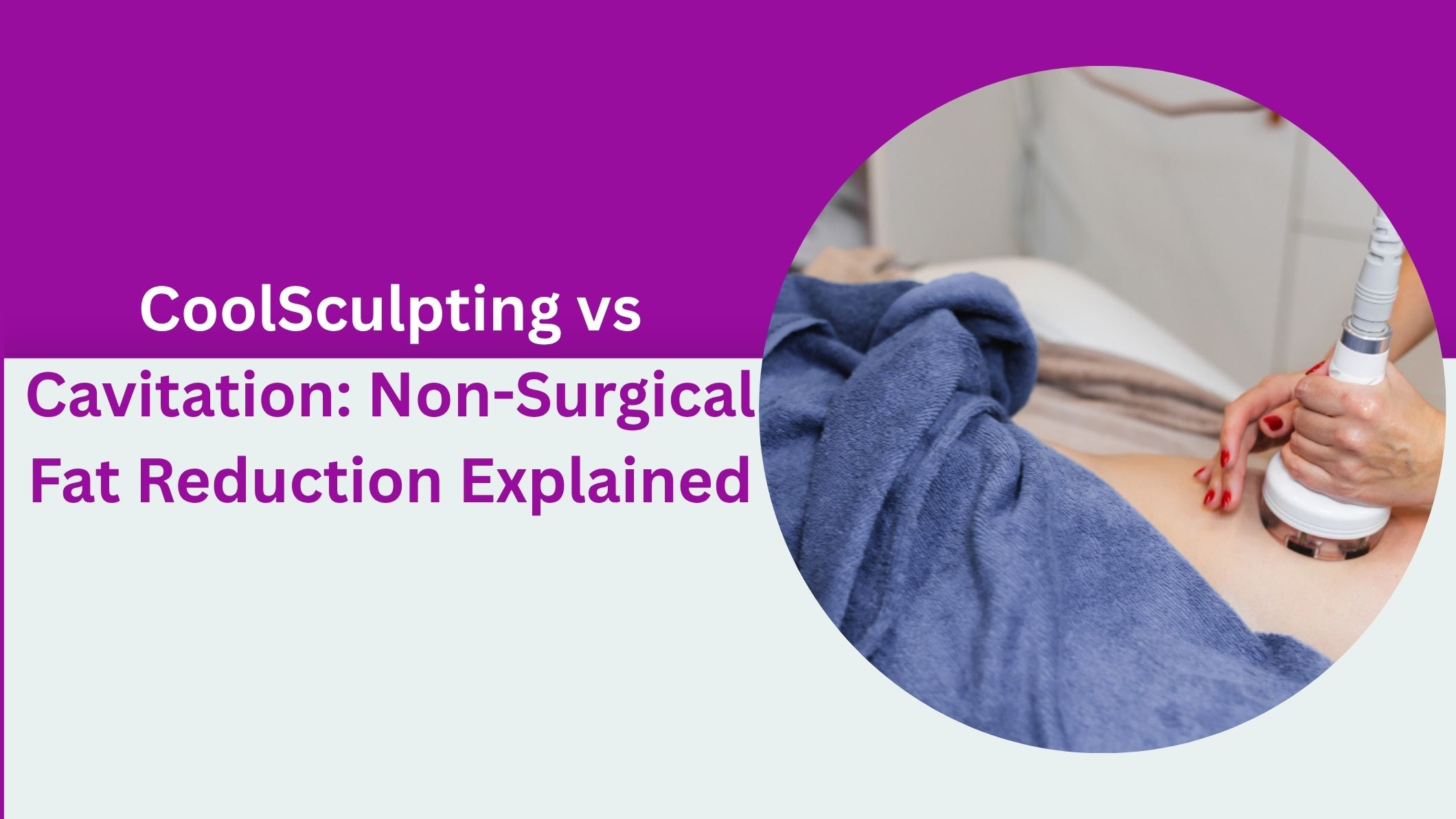
Ultrasonic cavitation is another popular non-invasive body contouring treatment that uses low-frequency ultrasound waves to break down fat cells. The ultrasound energy creates microscopic bubbles within the fat tissue, causing the fat cell membranes to rupture. The released fat is then processed through the body’s natural metabolic and lymphatic systems.
Unlike CoolSculpting, cavitation does not use extreme cold. Instead, it relies on ultrasound technology to target stubborn fat deposits in areas such as the abdomen, hips, thighs, buttocks, arms, and waist.
The treatment is painless, and many patients describe it as a gentle warming sensation or mild vibration. Multiple treatment sessions are generally recommended because cavitation gradually reduces fat over time. Drinking plenty of water and maintaining regular physical activity after treatment helps the body eliminate the broken-down fat more efficiently.
Which Treatment is Right for You
Both CoolSculpting and cavitation are designed for body contouring rather than significant weight loss. They work best for individuals who are close to their ideal body weight but struggle with localized fat pockets that do not respond to diet and exercise.
CoolSculpting may be a better option for individuals with clearly defined fat bulges who want long-lasting fat reduction with fewer treatment sessions. Since destroyed fat cells are permanently removed, results can be long-lasting if a stable weight is maintained.
Ultrasonic cavitation may be more suitable for individuals seeking gradual body contouring with minimal discomfort and no downtime. Because treatment is progressive, patients often require several sessions to achieve their desired outcome.
The choice between the two procedures depends on several factors, including body type, treatment goals, the amount of fat being targeted, lifestyle, and overall health. During a professional consultation, an experienced aesthetic specialist evaluates these factors and recommends the most appropriate treatment plan.
Maintaining healthy eating habits, regular exercise, proper hydration, and a stable body weight is essential after either procedure to preserve long-term results. Neither treatment prevents future weight gain, so a healthy lifestyle remains an important part of body contouring success.
Modern aesthetic clinics often combine non-surgical fat reduction with skin tightening or muscle-toning procedures for enhanced body sculpting results. Personalized treatment plans ensure patients receive safe, effective care based on their individual needs.
Carvers provides the best treatment for non-surgical fat reduction through advanced body contouring technologies, personalized consultations, and expert aesthetic care. Whether you’re considering CoolSculpting, Ultrasonic Cavitation, or a customized combination approach, Carvers offers safe and effective solutions to help you achieve a slimmer, more sculpted appearance.